
Reclaim Your Strength: Pelvic Floor Health for Men
Discover evidence-based exercises and guidance to strengthen your pelvic floor, improve continence, and enhance overall wellness. Your complete resource for men's pelvic health.
Why Pelvic Floor Health Matters
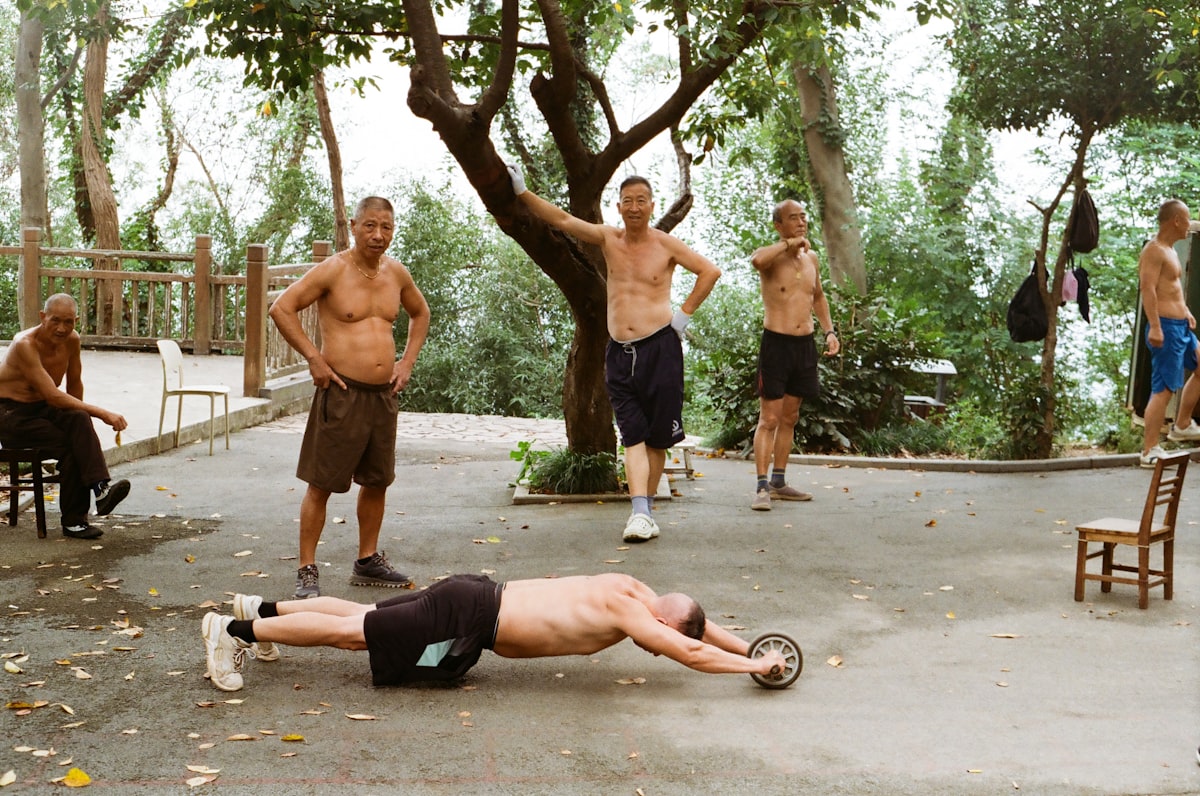
Your pelvic floor is a group of muscles that form a supportive sling at the base of your pelvis. For men, these muscles play a crucial role in urinary control, sexual function, and overall core stability. Despite their importance, pelvic floor health is rarely discussed in mainstream men's wellness conversations.
Whether you're experiencing urinary leakage, seeking to improve sexual performance, or recovering from prostate surgery, targeted pelvic floor exercises can make a significant difference. Research shows that consistent practice strengthens these muscles, improves bladder control, and supports long-term wellness.
At Wellnessritualnourish, we believe every man deserves access to clear, evidence-based information about pelvic floor fitness. Our guides and exercises are designed with your needs in mind, from beginners to advanced practitioners.
Read Our Complete GuideExercise Categories to Strengthen Your Pelvic Floor
Kegel Exercises
The foundation of pelvic floor training. Learn proper contraction technique, holding durations, and progression schedules to build endurance and strength safely.
Dynamic Movements
Integrate pelvic floor activation with functional exercises like bridges, squats, and planks. These compound movements build overall stability and functional strength.
Breathwork & Relaxation
Release tension and prevent overtraining with guided breathing techniques. Balanced relaxation is essential for long-term pelvic floor health and prevents muscle fatigue.
Progressive Training
Advance your routine as your strength improves. Discover advanced protocols for endurance, power, and coordination that challenge your developing fitness level.
Mind-Body Connection
Develop awareness and control of your pelvic floor through meditation and mindfulness practices. Mental focus enhances exercise effectiveness and overall body awareness.
Tracking Progress
Monitor your improvements with simple tracking methods. Understanding your progress keeps you motivated and helps identify what works best for your body.
Your 6-Week Journey to Stronger Pelvic Floor
Week 1-2: Foundation & Awareness
Begin by learning to identify and isolate your pelvic floor muscles. Start with basic Kegel exercises, holding for 3 seconds and relaxing for 3 seconds. Practice 5 sets of 10 repetitions daily. This phase builds neuromuscular awareness and establishes your baseline strength.
Week 3-4: Building Endurance
Increase hold times to 5-8 seconds with 5-second relaxation periods. Perform 3 sets of 15 repetitions daily. Introduce dynamic movements like bridges and squats, maintaining pelvic floor engagement throughout. Add breathing awareness exercises to coordinate muscle activation with your breath.
Week 5-6: Integration & Maintenance
Advance to 10-second holds with longer relaxation periods. Incorporate rapid contractions (1-second pulses) for power development. Practice functional integration—engaging your pelvic floor during daily activities like walking and standing. Establish a sustainable routine you can maintain long-term for continuous benefits.
Real Men, Real Experiences
"
After prostate surgery, I was struggling with urinary leakage that affected my daily life. I was sceptical about simple exercises, but after following the Wellnessritualnourish programme for six weeks, I noticed a dramatic improvement. My confidence returned, and I finally feel in control again. These exercises genuinely work.
Marcus Thompson
London, United Kingdom
"
As someone in my fifties, I thought declining bladder control was just something I had to accept. The information here was eye-opening—clear, non-judgmental, and really helped me understand what was happening. I'm three months into the routine now and the results are remarkable. I wish I'd known about this years ago.
David Pembroke
Manchester, United Kingdom
"
I'm an athlete, and I was surprised to learn that pelvic floor strength could improve my overall performance. The progressive training programme is well-structured and challenging. My core stability has improved noticeably, and I feel stronger in the gym. Highly recommend for any man serious about functional fitness.
James Richardson
Birmingham, United Kingdom
Common Questions About Pelvic Floor Health
Most men notice improvements within 2-4 weeks of consistent practice, though individual results vary. Some report better bladder control within days of starting exercises, while others take longer to develop noticeable changes. The key is consistency—daily practice yields faster, more sustainable results than sporadic effort. After 6-8 weeks of regular training, most men report significant improvements in continence and overall pelvic floor function.
No. Pelvic floor exercises benefit all men, regardless of current symptoms. They improve sexual function and pleasure, enhance core stability for athletic performance, prevent future continence problems, and support post-surgical recovery. Athletes, fitness enthusiasts, and men in their 20s and 30s can all benefit from developing strong pelvic floor muscles. Think of it as preventive wellness, similar to how everyone should exercise for cardiovascular health.
Yes, it's possible to overtrain your pelvic floor, which can lead to tension and discomfort rather than improvement. Most men need 10-15 minutes of pelvic floor work daily, not hours. Balance is essential—include relaxation and breathing exercises, not just contractions. If you experience pelvic pain, inability to relax the muscles, or worsening symptoms after increasing exercise volume, reduce your training intensity and consult a healthcare professional or pelvic floor physical therapist.
No equipment is necessary to start. You can perform basic Kegel exercises and dynamic movements with just your bodyweight, anywhere and anytime. However, biofeedback devices or pelvic floor trainers can be helpful for some men to ensure proper muscle activation and track progress. These tools aren't essential—many men achieve excellent results with guided exercises and consistent practice alone. The most important factor is learning correct technique and maintaining regularity.
Research shows that pelvic floor exercises before and after prostate surgery significantly improve recovery outcomes, including faster continence restoration and better overall function. However, timing is important—always follow your surgeon's guidance on when to begin exercises after surgery, typically 4-6 weeks post-op once initial healing has occurred. Starting exercises too early may interfere with healing, while delayed start may result in slower functional recovery. Consult your medical team before beginning any post-surgical exercise programme.
Start Your Pelvic Floor Wellness Journey Today
Explore our comprehensive exercise library, detailed guides, and evidence-based information. Whether you're dealing with incontinence, recovering from surgery, or seeking to enhance your overall wellness, we're here to support your journey with clear, practical guidance.
For medical concerns or personalised advice, consult your healthcare provider or a pelvic floor physical therapist.